Impact Through Cultural Programming

For many Native Hawaiians living outside of Hawaiʻi, access to authentic cultural experiences can be limited. Distance from the islands often means fewer opportunities to learn from cultural practitioners, participate in Hawaiian traditions, hear Hawaiian music, speak the language, or gather with others who share a connection to Hawaiʻi.
Recognizing this need, Joshua Kamuela Chang has spent more than a decade creating educational, cultural, and artistic programs that bring Hawaiʻi to communities throughout Southern California and beyond. Through conferences, workshops, concerts, cultural presentations, and community gatherings, Joshua has developed opportunities for Native Hawaiians and the broader public to engage directly with the people, traditions, and values that define Hawaiian culture.
These programs serve as more than events—they serve as cultural gathering places where individuals can reconnect with their heritage, strengthen community relationships, and pass knowledge forward to future generations.
Bringing Hawaiʻi to the Mainland
Kūlia I Ka Pūnāwai
Connecting Communities Through Cultural Education
Joshua Chang serves as the Conference Chairperson for Kūlia I Ka Pūnāwai, overseeing the planning, development, and production of one of Southern California's largest Native Hawaiian educational conferences on behalf of the nonprofit organization, Kūlia I Ka Pūnāwai.
Through this role, Joshua works closely with cultural practitioners, educators, musicians, artists, volunteers, sponsors, and community leaders to create an immersive educational experience that strengthens connections between Hawaiʻi and the Hawaiian diaspora. The conference was established to provide meaningful access to Hawaiian culture, traditions, language, history, arts, and leadership development opportunities for individuals and families living outside of Hawaiʻi.
Each year, Kūlia I Ka Pūnāwai brings together respected cultural practitioners from Hawaiʻi and throughout the continent to share their knowledge through workshops, lectures, demonstrations, performances, and cultural discussions. Participants have the opportunity to learn directly from kumu hula, musicians, artisans, language practitioners, historians, and community leaders representing a wide range of Hawaiian cultural disciplines.
The conference serves as a gathering place where Native Hawaiians and those connected to Hawaiian culture can strengthen their understanding of identity, build relationships, reconnect with cultural practices, and engage in meaningful learning experiences rooted in Hawaiian values and traditions.
The 2026 conference welcomed more than 240 participants and featured over 35 educational workshops and presentations led by more than 20 cultural practitioners and educators. Programming included hula, Hawaiian language, music, chant, traditional arts, cultural history, leadership development, and community-building opportunities designed to serve both experienced practitioners and those beginning their cultural journey.
For many attendees, Kūlia I Ka Pūnāwai represents one of the few opportunities available on the continent to participate in a large-scale Hawaiian cultural educational experience without traveling to Hawaiʻi. The conference helps bridge geographic distance by creating authentic opportunities for learning, mentorship, cultural exchange, and community connection.
As Conference Chairperson, Joshua's role focuses on developing educational programming, coordinating cultural practitioners, cultivating partnerships, securing resources, and ensuring that the conference remains a meaningful platform for cultural preservation, community engagement, and the perpetuation of Hawaiian knowledge for future generations.
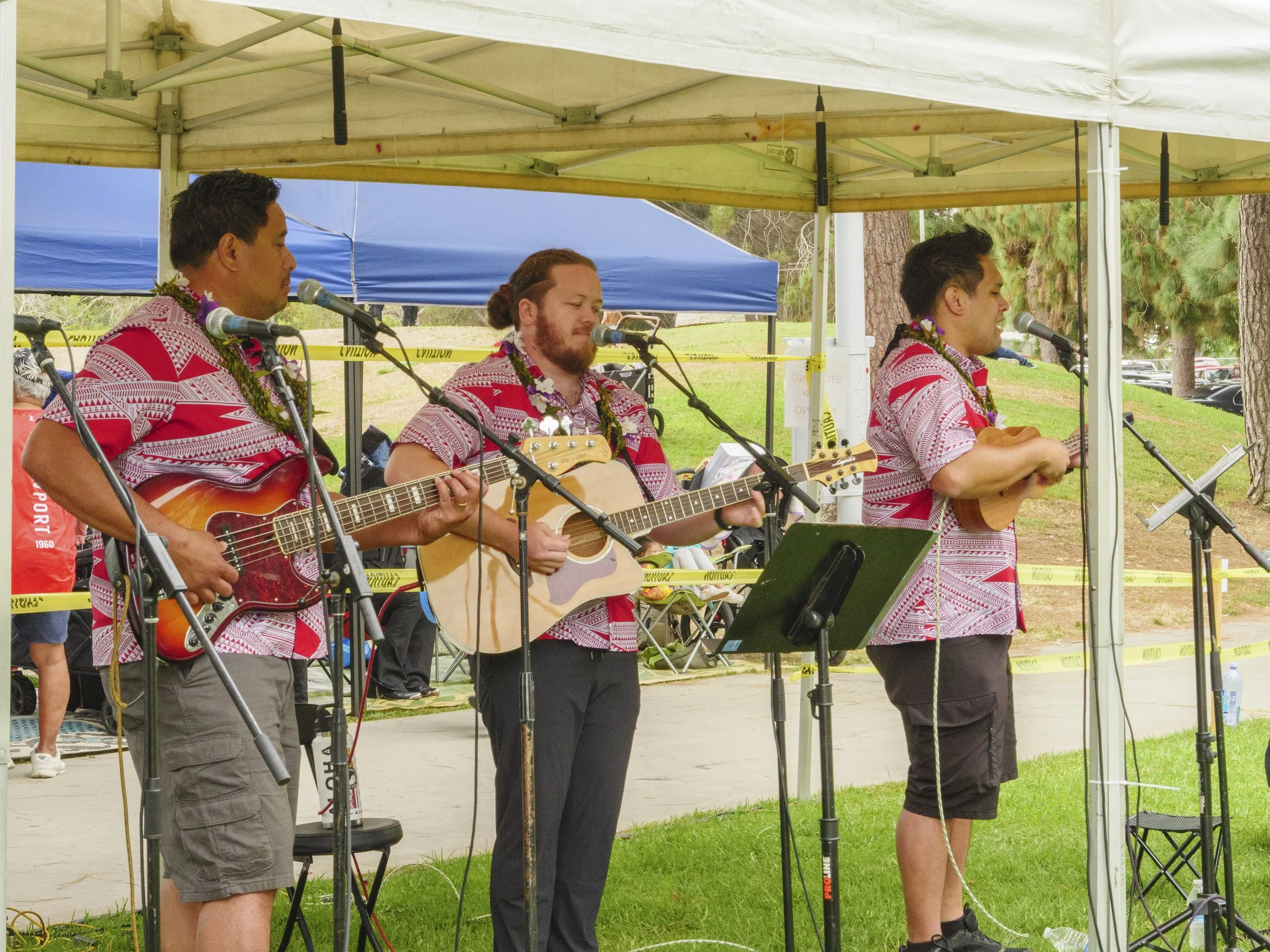
Hawaiian Music and Cultural Concerts
Music has always been one of the most powerful ways to preserve and share Hawaiian culture.
As a recording artist and cultural performer, Joshua produces concerts and cultural presentations that introduce audiences to the beauty, history, and storytelling traditions embedded within Hawaiian music.
These performances often feature:
Hawaiian language songs
Traditional and contemporary Hawaiian music
Cultural storytelling
Historical context and education
Community engagement opportunities
By combining performance with education, audiences leave with a greater appreciation for Hawaiian culture and a stronger understanding of the stories and traditions that continue to shape Hawaiʻi today.
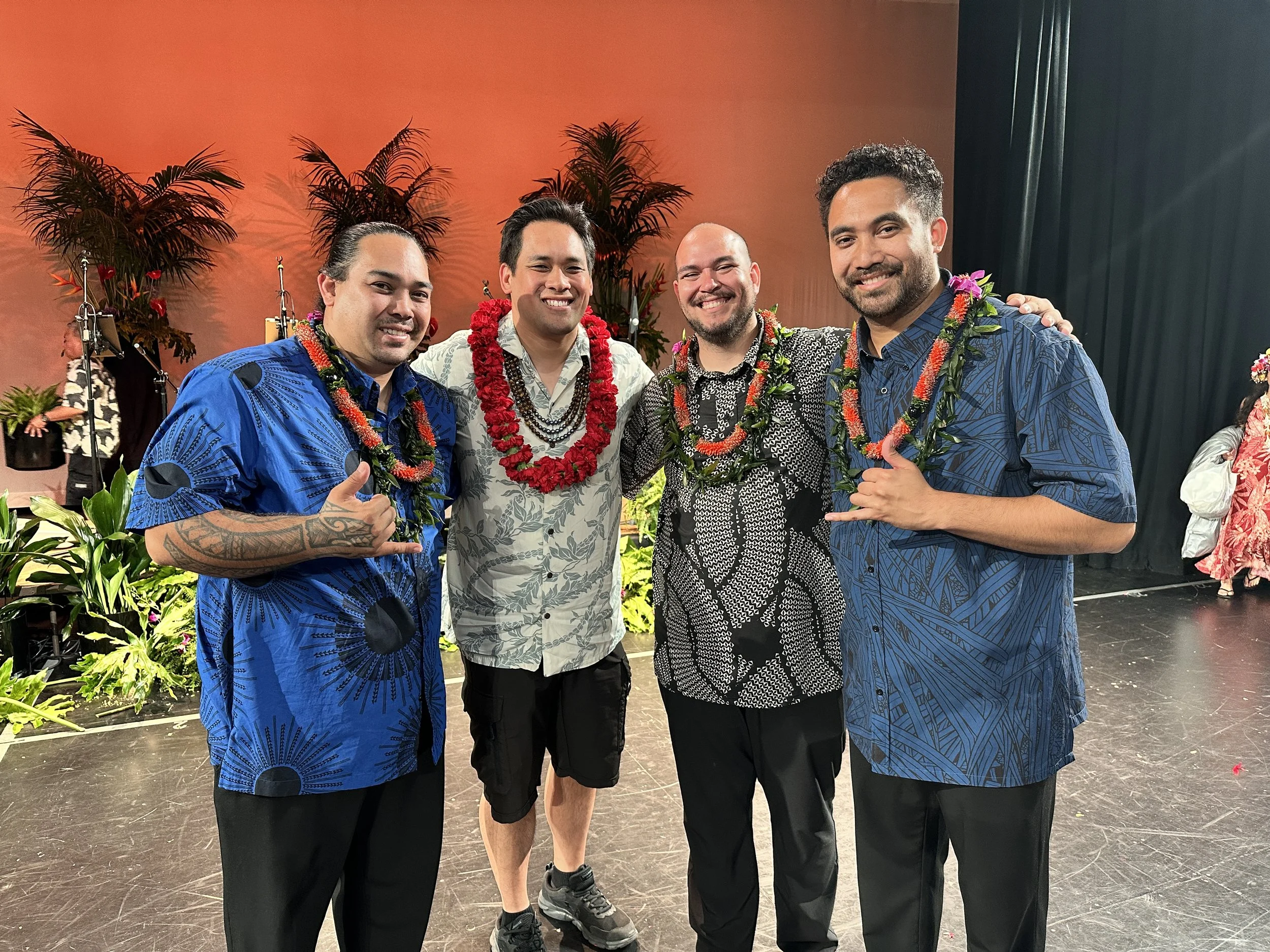
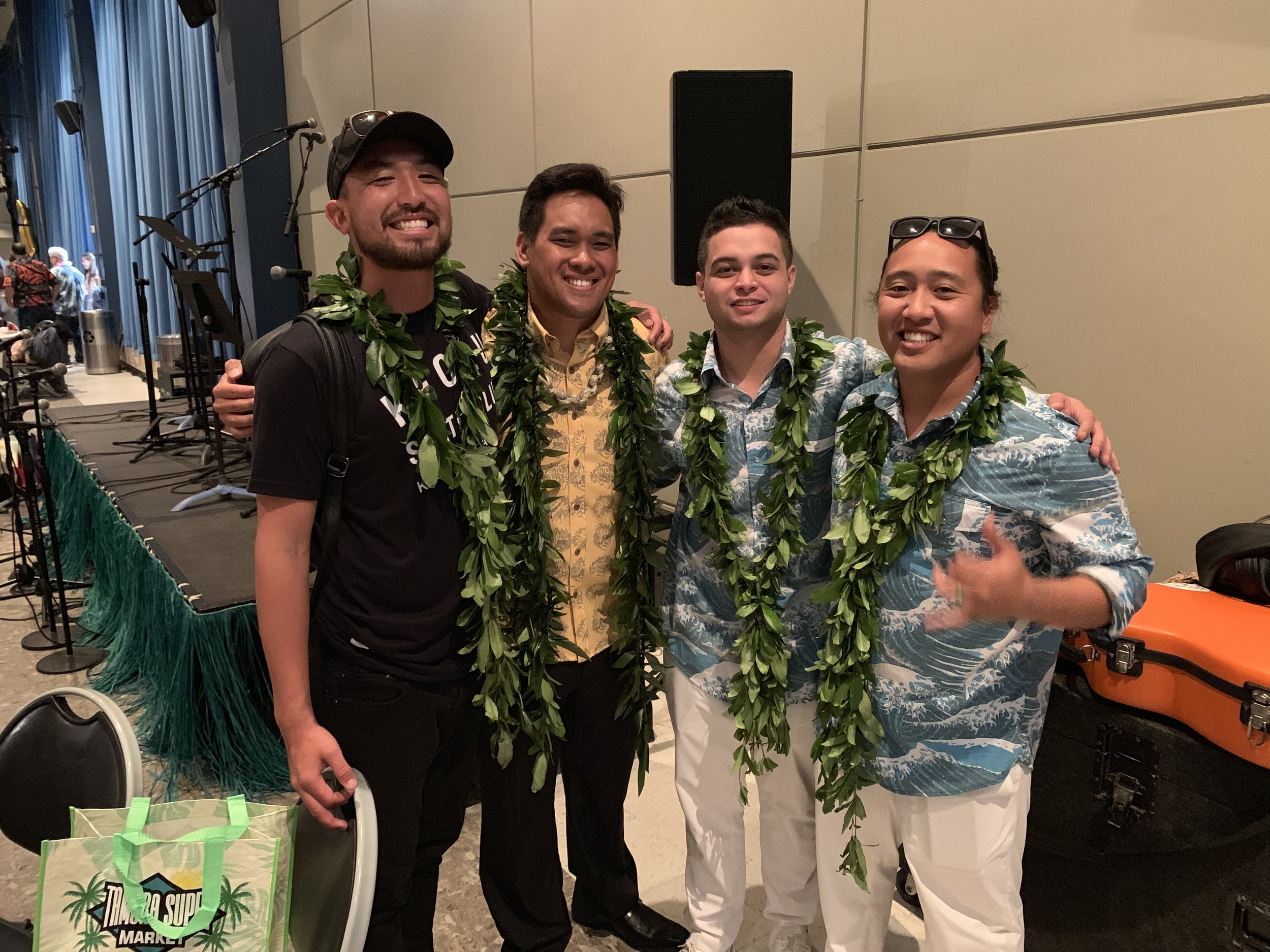
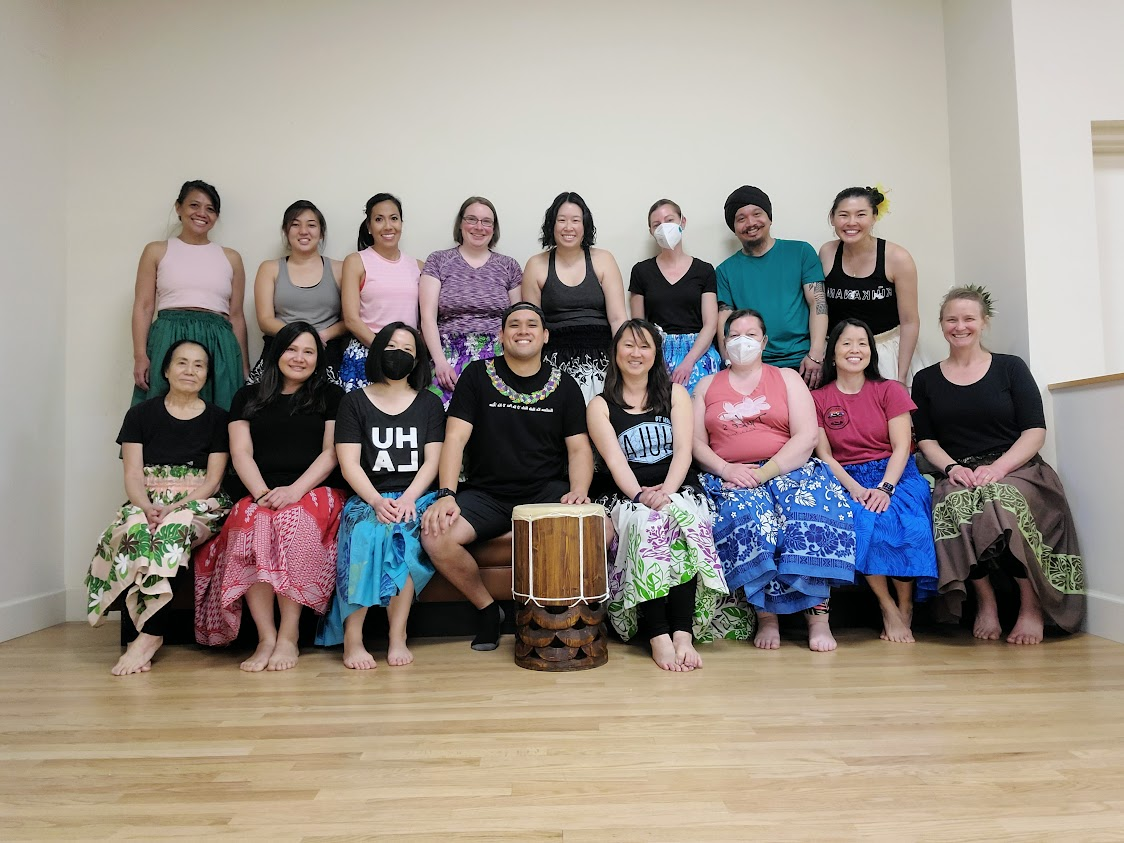
Kumu Josh Changs Halau performing his choreography for a sold out concert. Featuring Natalie Ai Kamuu and Iolani Kamauu. October 2025